Autoclaved Aerated Concrete (AAC) blocks are a next-generation walling material designed to replace traditional red clay bricks. These blocks are lightweight, precast, and manufactured under controlled factory conditions, ensuring superior quality, strength, and consistency.
AAC blocks are widely used in residential, commercial, and industrial construction due to their cost efficiency, speed of construction, and long-term performance.
Explore why Autoclaved Aerated Concrete is the preferred choice for modern, sustainable, and efficient construction worldwide.
AAC blocks are 3-4 times lighter
than red bricks → reduces dead
load of structure.
Keeps building cool in summer
and warm in winter → reduces electricity cost.
Excellent noise reduction →
best for residential and commercial buildings.
Excellent noise reduction →
best for residential and commercial buildings.
okay okay okay
Best for resedential and commercials
AAC blocks are made using environmentally friendly and sustainable materials:
👉 Important Note: Unlike traditional bricks, AAC blocks generally do not use natural sand, which helps in conserving natural resources.
| 1. Raw Material Preparation |
|---|
All materials are measured and mixed in precise proportions. |
| 2. Slurry Formation |
Fly ash, cement, lime, gypsum, and water are mixed to form a slurry. |
| 3. Aeration Process |
Aluminium powder is added → reacts with lime → releases hydrogen gas → creates millions of tiny air bubbles. |
| 4. Casting & Rising |
The mixture is poured into moulds where it expands (like cake batter). |
| 5. Pre-Curing |
|---|
The block cake is allowed to partially set. |
| 6. Cutting |
Blocks are cut into accurate sizes using wire cutting machines. |
| 7. Autoclaving |
Blocks are cured in high-pressure steam chambers (autoclave), giving them:
|
| 8. Final Product |
Ready-to-use AAC blocks with uniform size and smooth finish. |
In‑depth advantages with real‑world savings

AAC blocks have air pockets that act as insulation.
👉 Benefits:

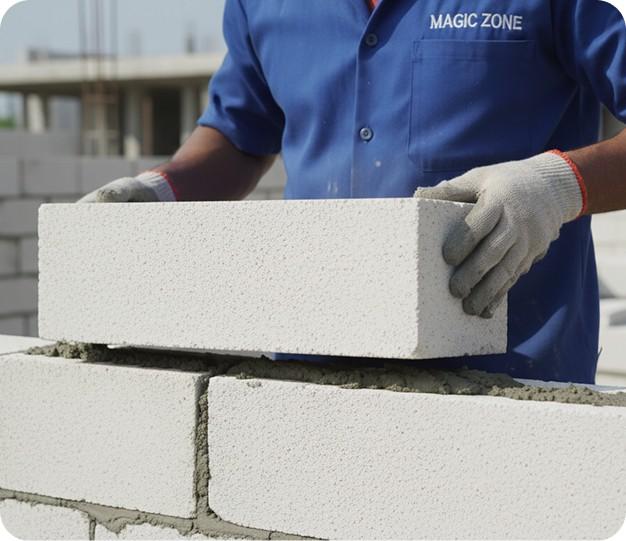
Larger block size = fewer joints. Easy handling and installation.
👉 Saves 20–30% construction time
AAC blocks are 3–4 times lighter than red bricks.
👉 Benefits:
| Issue | Red Brick | AAC Block Advantage |
|---|---|---|
| Size variation | High | Perfect uniform size |
| Weight | Heavy | Lightweight |
| Mortar usage | High2 | Very low |
| Surface finish | Heavy2 | Very low2 |
| Surface finish2 | High3 | Very low5 |
| Surface finish3 | Heavy3 | Very low3 |
Environmental impactHigh (topsoil loss)Eco-friendly
• Red bricks are heavy → increases structural load
• AAC reduces load → saves steel and cement
• Brick quality depends on kiln → inconsistent
• AAC blocks are machine-made → consistent quality
• Red bricks are uneven → more mortar required
• AAC blocks are factory-made → perfect uniform size
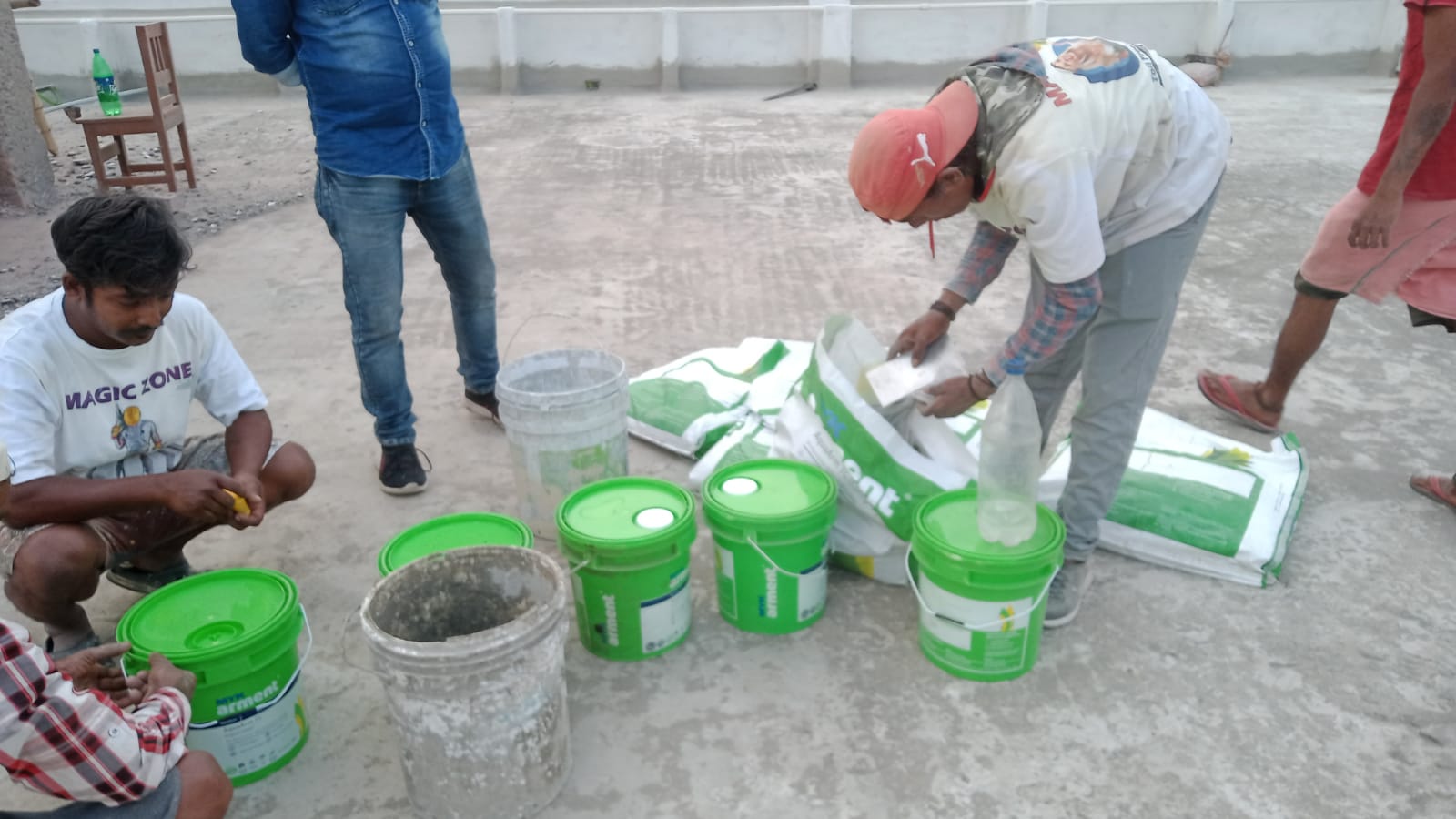
Why labour cost reduces:
in masonry labour cost
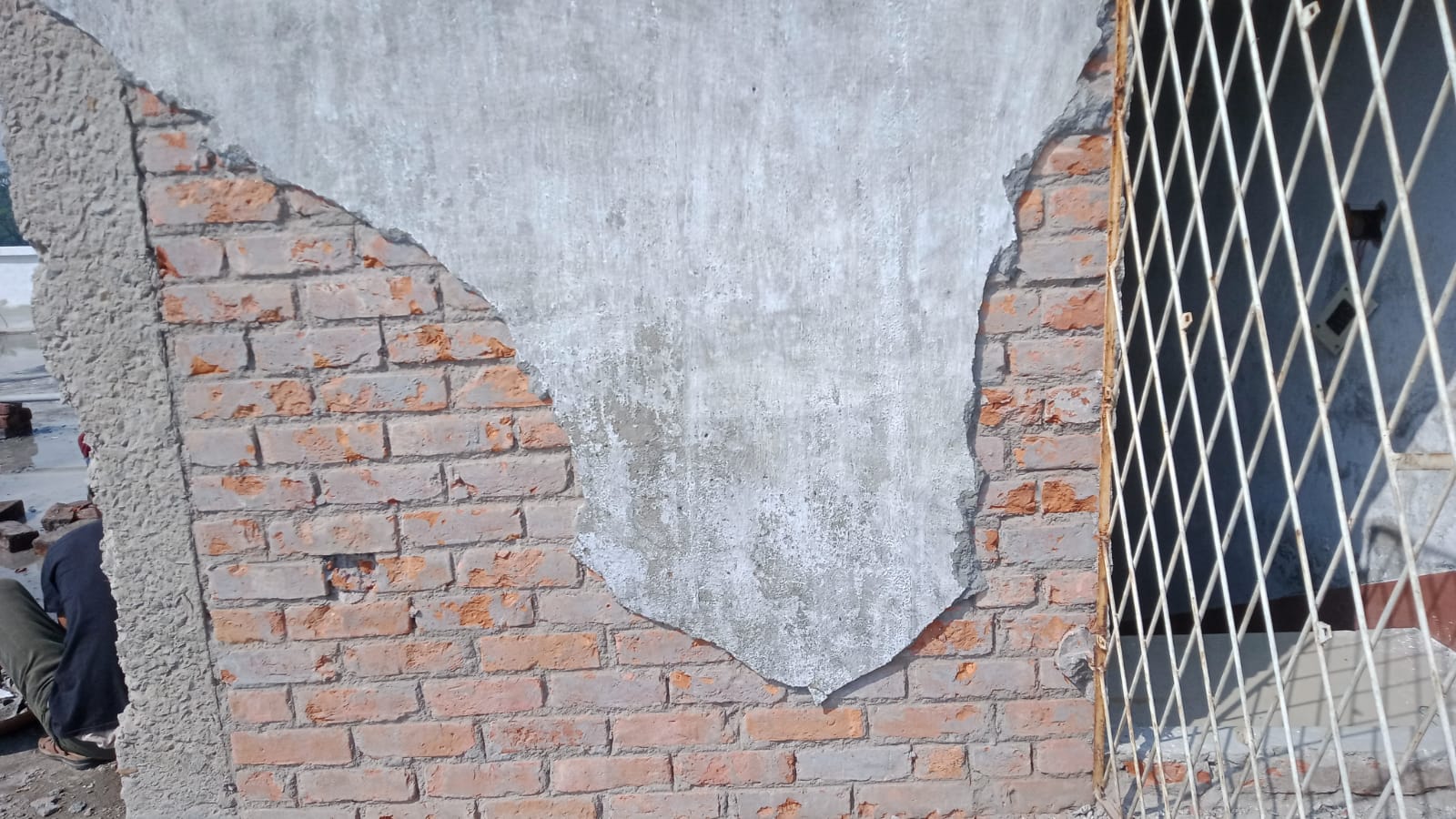
Thick plaster needed (12–15 mm)
Smooth surface → thin plaster
in plaster cost
| Component | Savings |
|---|---|
| Labour | 20–30% |
| Morter | 60-70% |
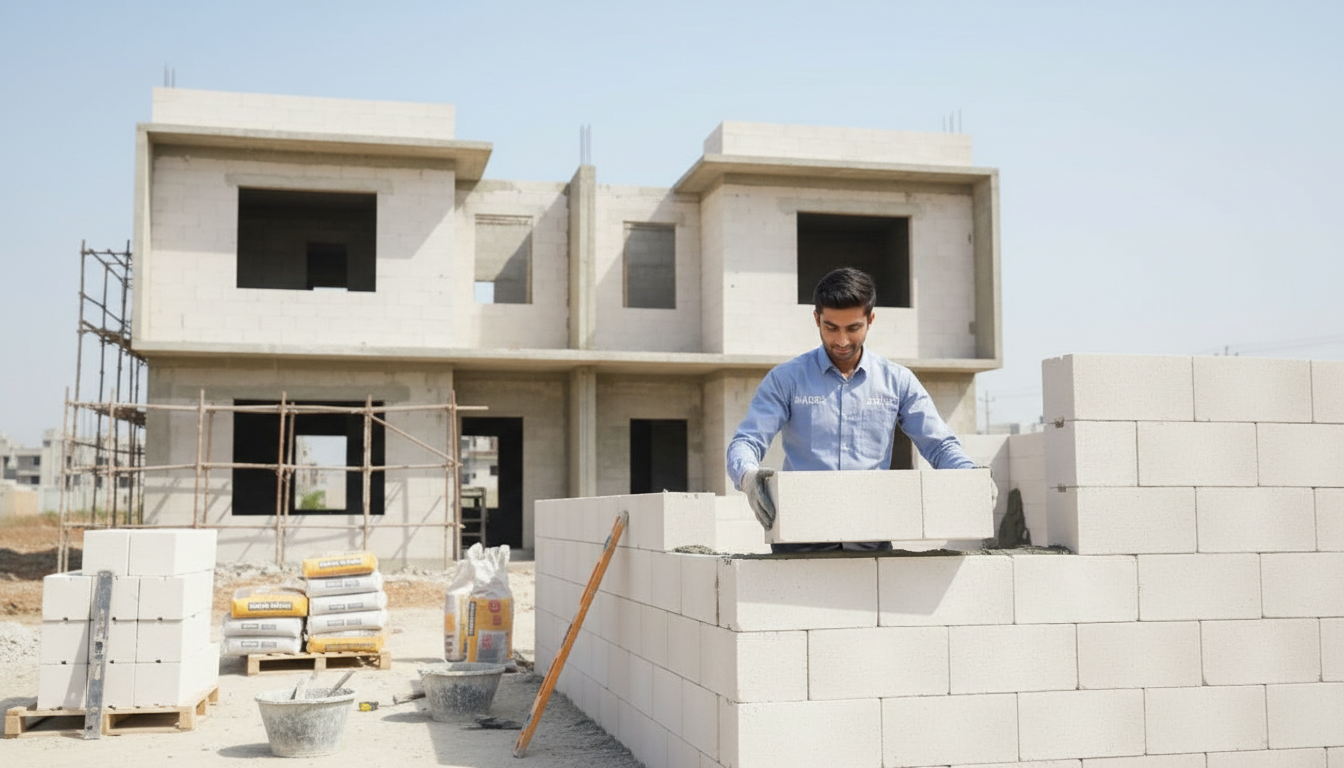
AAC blocks are a smart, modern alternative to traditional red bricks. They offer better performance, faster construction, and significant cost savings in labour, materials, and long-term energy usage.
Switching to AAC blocks ensures:
See the manufacturing process & benefits in action
🎥 Watch the full process – from raw materials to finished AACB
